Summer isn’t over yet! Make the most of it… while taking care of your health

Staying Well-Hydrated: An Essential Habit
When it’s hot, our bodies lose a lot of water… but also essential minerals like sodium, potassium, and magnesium. Drinking water regularly is still the best way to prevent dehydration. Opt for water at room temperature or slightly chilled rather than ice-cold. If you’re exercising or spending several hours in the sun, drinks containing electrolytes can also be helpful.
Also, remember to stay hydrated through your diet: watermelon, cantaloupe, cucumber, tomatoes, and smoothies are excellent choices on hot days.
Watch for signs of dehydration: intense thirst, dizziness, cramps, unusual fatigue, or very dark urine. If these symptoms are accompanied by confusion, vomiting, or a high fever, seek medical attention immediately.


Protect Your Skin All Summer Long
Even when temperatures start to drop, UV rays are still very much present. A broad-spectrum sunscreen (SPF 30 or higher), applied generously and reapplied every two hours, remains the best protection against sun damage.
Complete this protection with a hat, sunglasses, and lightweight, covering clothing. If you get sunburned, stay hydrated, apply cool compresses, and use a soothing aloe vera lotion.
Take advantage of the end of summer to check your skin. A mole that changes in appearance, a new lesion, or a sore that is slow to heal should be evaluated by a doctor. Early detection remains the best way to prevent complications.
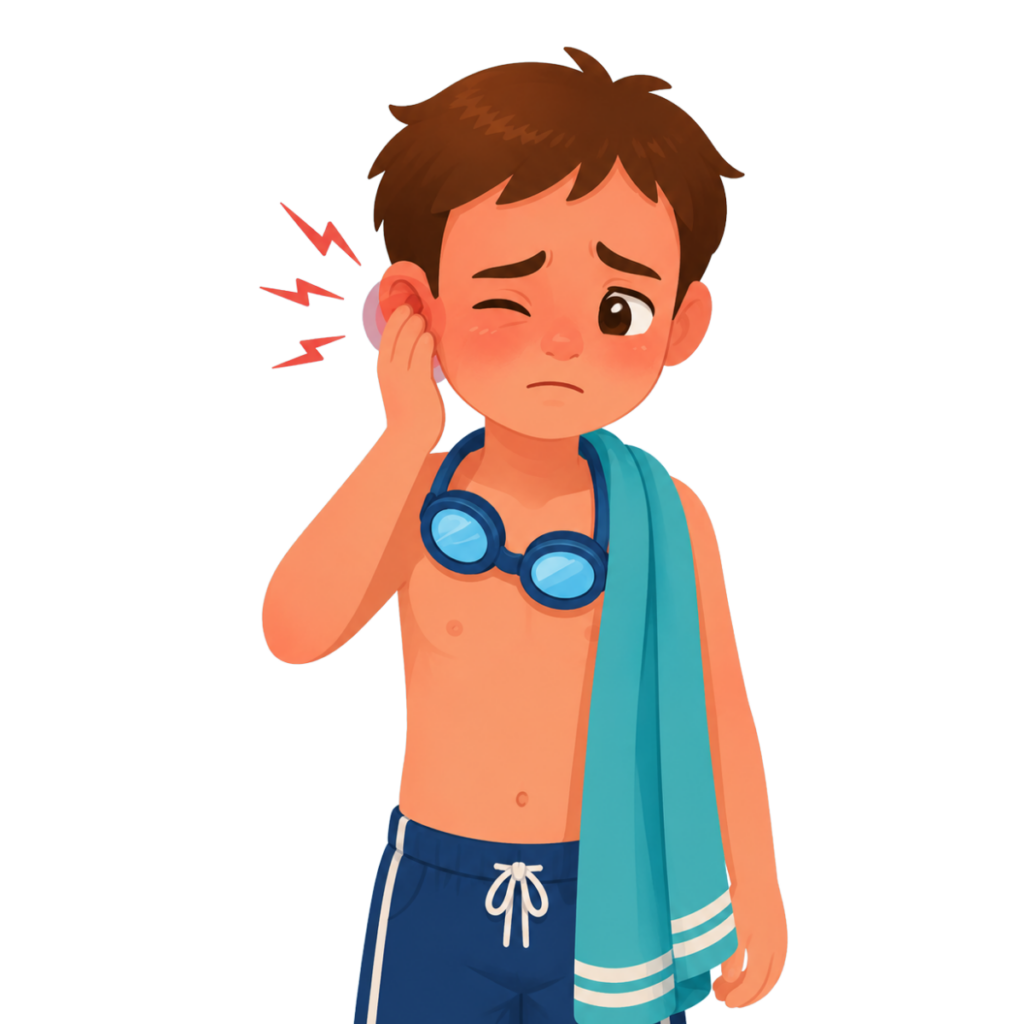
Watch Out for Swimmer’s Ear
Frequent swimming can increase the risk of developing otitis externa, also known as “swimmer’s ear.” When water becomes trapped in the ear canal, it can create an environment conducive to bacterial growth.
The first symptoms include ear pain—especially when gently pulling on the outer ear—a feeling of a blocked ear, or discharge.
To prevent this infection, dry your ears thoroughly after each swim, tilt your head to let the water drain out, and avoid using cotton swabs. If the pain becomes severe, if there is discharge, or if you develop a fever, it’s best to see a doctor right away.

BBQ and Culinary Delights: A Few Precautions
Summer is also the season for barbecues, picnics, frozen desserts… and, unfortunately, food poisoning. The heat accelerates the growth of bacteria when food is left at room temperature for too long.
Make sure meat is cooked thoroughly, keep food refrigerated, and avoid leaving salads, sauces, or desserts out in the sun for several hours.
Nausea, vomiting, diarrhea, abdominal pain, or fever may be signs of food poisoning. Seek medical attention promptly if symptoms persist for more than 48 hours, worsen, are accompanied by blood in the stool, or cause severe dehydration.
A word from Dr. LeBlanc
“Summer is meant to be enjoyed, not cut short by a preventable health issue. A few simple steps—staying well-hydrated, protecting your skin, listening to your body’s signals, and seeking medical advice when needed—will help you make the most of these last beautiful days. I wish you a pleasant, active, and above all, healthy end to the summer!”
– Dr. LeBlanc, Owner of the LeBlanc + Savaria clinic in Tremblant

Make the most of the end of summer.
If you have a health concern or would like to schedule a medical evaluation, our team is here to support you.

