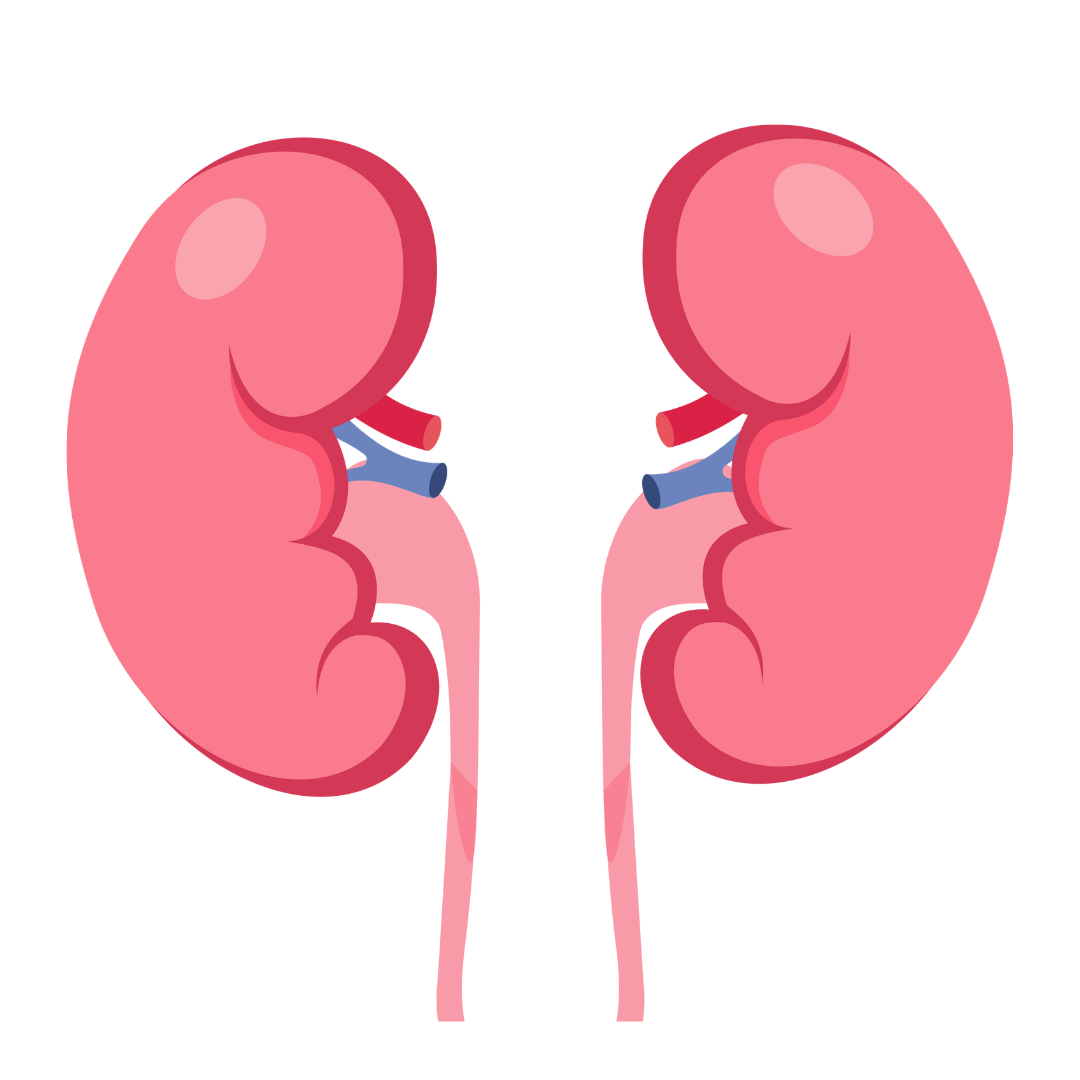
March is Kidney Health Month in Canada, a perfect opportunity to give them the attention they deserve.
In fact, the kidneys are the most intelligent organs in the human body: they filter blood, balance minerals, regulate blood pressure and eliminate waste – all on a continuous basis.
The good news? With a little prevention and common sense, you can keep them healthy for a long time.
Kidneys: what are they really good for?
The kidneys act as true filters. They clean the blood, eliminate waste through urine, regulate the balance of water and minerals, help control blood pressure and participate in the production of red blood cells. In short, they do a lot… without us even realizing it. And that’s what makes some kidney diseases so sneaky.
What are the main kidney diseases?
Kidney failure affects many more people than you might think. The two main risk factors are high blood pressure and diabetes, which can be present for years before damaging the kidneys.
It’s normal for aging to affect their functioning a little over time.
Other kidney problems may arise: complicated urinary tract infections, kidney stones or side effects of certain medications, notably anti-inflammatory drugs.
Please note: back pain, such as “kidney pain”, is generally not related to the kidneys. Contrary to popular belief, the kidneys are not located in the lower back (lumbar region), but rather in the lower thoracic region, in the middle of the back, at about bra level.
How do you take care of your kidneys every day?
Keep adequately hydrated, especially during hot weather, physical activity or illness. The kidneys are very sensitive to dehydration.
Also be careful with anti-inflammatory drugs (such as ibuprofen), especially frequent or prolonged use, as they can affect kidney function.
Controlling blood pressure and blood sugar levels, adopting a balanced diet and avoiding smoking are also key to protecting your kidneys in the long term.
When to consult?
Medical follow-up is recommended if you have high blood pressure, diabetes, a family history of kidney disease, or if abnormalities are detected in urine or blood tests.
A checkup often enables us to spot silent signs early on and take action before the kidneys are irreversibly affected.
Message from Dr. LeBlanc
Kidneys run a marathon, not a sprint. Treating them well on a daily basis enables them to go the distance, year after year.